September 2026 News
The link between obstructive sleep apnea and mental health
Health Central
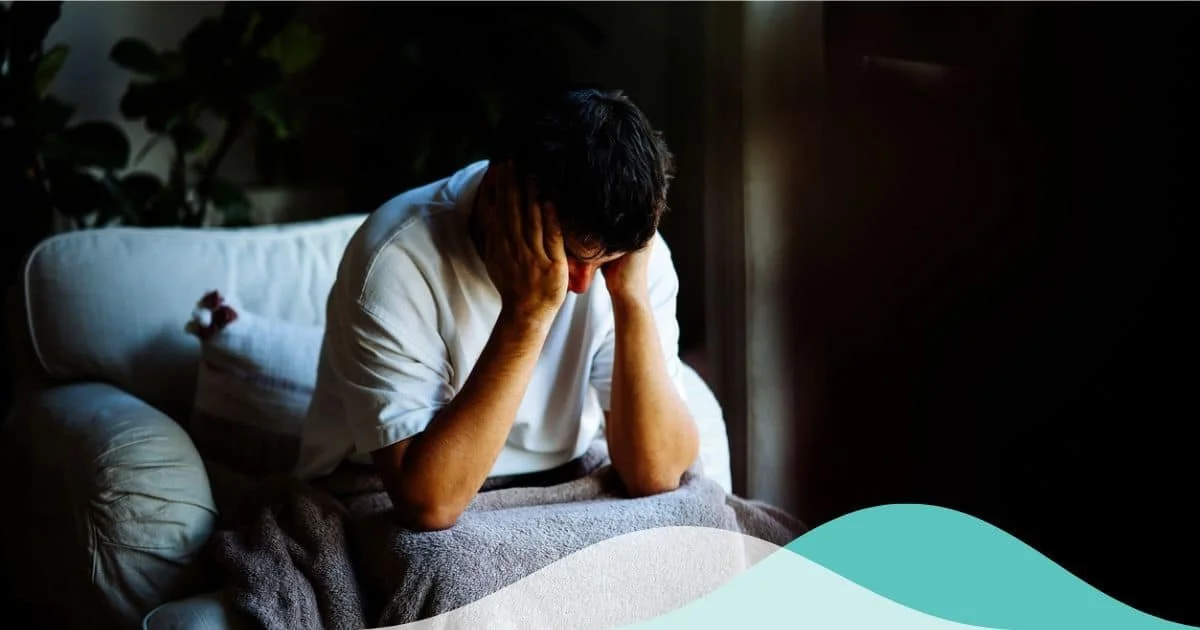
Obstructive sleep apnea (OSA) has long been linked to chronic ailments like high blood pressure, cardiovascular disease, and diabetes. But the disorder can also impact your mental health. A 2025 study of 30,000 people with OSA found that it boosts the risks of mood disorders, particularly depression but also anxiety and bipolar disorder. Discover more about the link between OSA and mental health and what can be done to manage it.
This common sleep problem raises heart attack risk
Men’s Journal
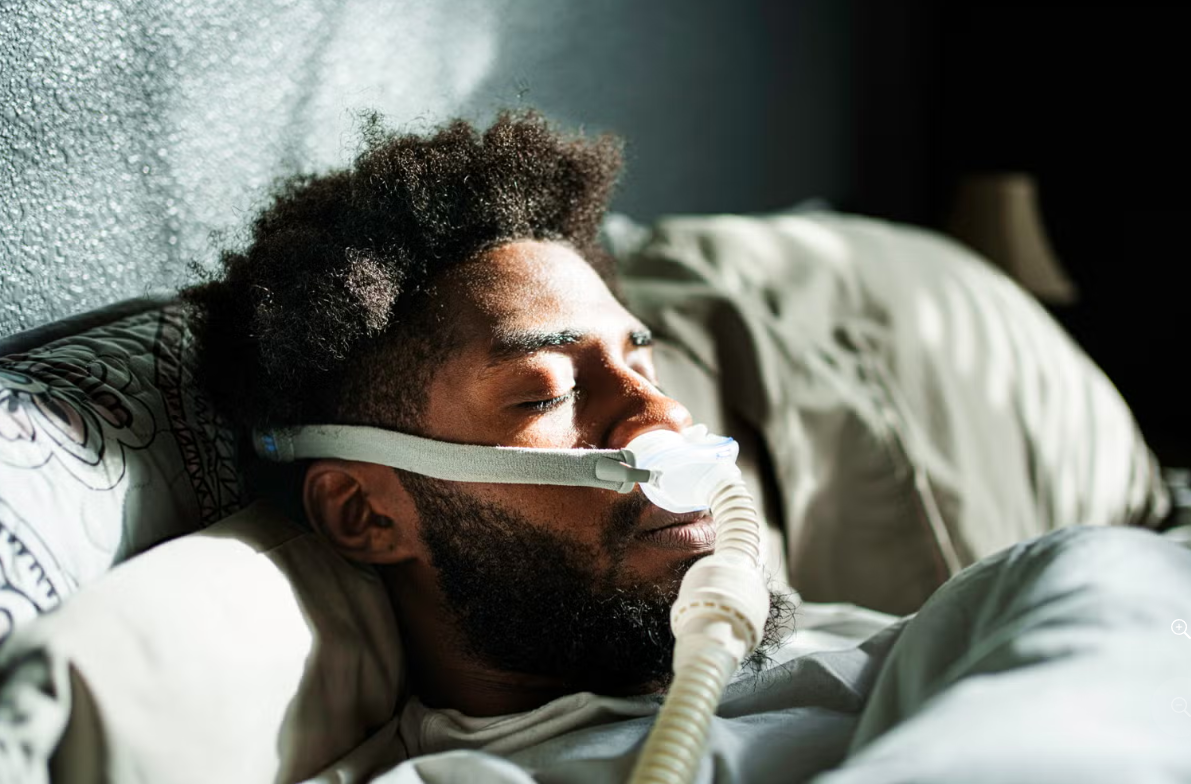
Obstructive sleep apnea takes a serious toll on the body, and especially the cardiovascular system, setting the stage for heart attack, coronary artery disease, ischemic stroke, and chronic hypertension. OSA can increase heart attack risk by 140%. While most often thought of as synonymous with snoring, sleep apnea is actually characterized by repeated pauses in breathing, sometimes 30 or more times an hour, which puts serious strain on the heart. Even if you think you’re sleeping through it, your heart absorbs the stress.

Woman shares idea for saving her skin while wearing a CPAP mask
Newsweek
A woman who suffers from sleep apnea found a simple way to protect her skin while wearing a CPAP mask— and the idea is striking a chord with other users who wake up with breakouts or deep lines across their cheeks.
The hack is straightforward: cut a satin scrunchie in half and slide it over the straps of the mask providing "continuous positive airway pressure" where they rest against your face, creating a softer barrier overnight. For users struggling with discomfort, small adjustments —from satin scrunchies to specialty liners — may make it easier to stick with treatment while keeping skin calmer overnight.
Cleveland Clinic sleep specialist offers ways to help with jet lag
CNN
If you've ever crossed time zones on a trip, you know it can take a toll on your sleep and your vacation.
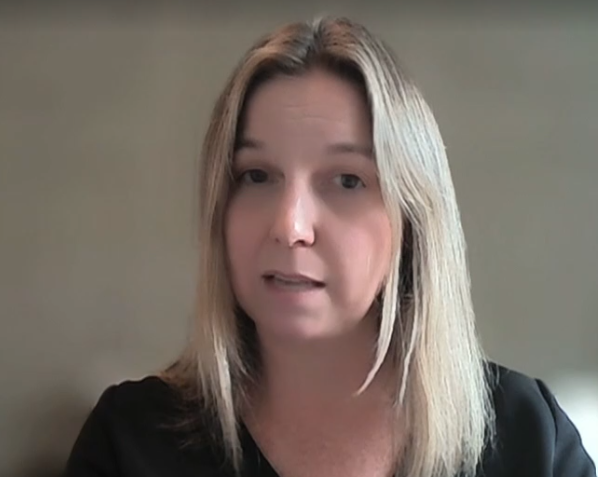
Michelle Drerup, PsyD, behavioral sleep medicine specialist at Cleveland Clinic, explained to CNN that jet lag is a temporary disruption of your body's internal clock. Your body may be in a new place, she says, but your internal clock is still at home. That can lead to sleep disruptions, daytime sleepiness, low energy, irritability and digestive issues. She offers several tips that will help with jet lag before your trip and once you’ve arrived at your destination.