October 2026 News
PAP Therapy: Engineering Better Sleep Apnea Care
American Academy of Sleep Medicine
The American Academy of Sleep Medicine’s Talking Sleep podcast (season eight, episode eight) brought in David Messerschmitt, a retired computer and signal processing engineer, and Stuart Crisp, a retired process control engineer and educator, to discuss patient-facing, open-source PAP platforms and how users leverage the data to optimize their sleep apnea treatment.
During the episode, Messerschmitt and Crisp share how platforms, like Sleep HQ and OSCAR, have transformed their understanding and management of sleep-disordered breathing. They explain how these platforms differ from standard clinical downloads, and what data visualization capabilities they offer.
What does a CPAP range mean
Parkview Health
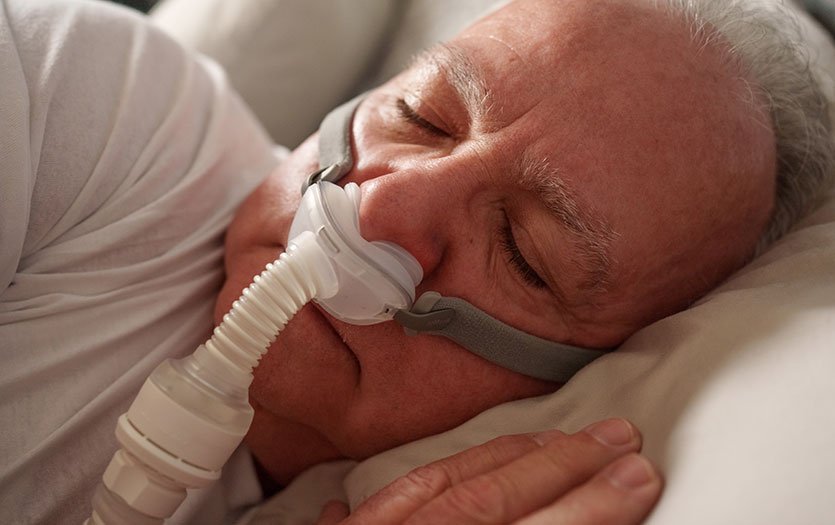
PPG-Sleep Medicine providers at Parkview Health in Fort Wayne Indiana offer their professional perspectives on achieving more uninterrupted, refreshing sleep. In this installment, Amanda Schraeger, NP, explains how CPAP machines support breathing while you rest.
Some people need a different pressure range for their CPAP. If they're on auto, which is a range of 6 to 20, it'll climb the ladder based on the amount of obstructions you're having until it controls you. Just because you're at a higher pressure doesn't mean you have more severe sleep apnea. Everybody reacts differently to pressure, so someone may need a set pressure of 18, and someone may need a set pressure of 6, even though they have the same type of events occurring.
Is Sleep apnea genetic?
Cleveland Clinic
If it seems like sleep apnea runs in your family, you’re not imagining it. Cleveland Clinic Sleep medicine specialist Cinthya Pena Orbea, MD, explains how certain genetic factors may increase the risk of this sleep disorder.
“Your genes can influence traits that make your airway more likely to collapse during sleep,” Dr. Pena Orbea explains. “In fact, inherited factors may account for as much as 30% to 70% of OSA risk.”
Genetics can influence several key risk factors for obstructive sleep apnea, many of which affect how your airway functions while you sleep. Dr. Pena Orbea walks us through them.

What to know about rare sleep disorders
USA Today
For some people, sleep problems run deep as millions of people live with sleep disorders such as insomnia, restless legs syndrome, circadian rhythm disorders or sleep apnea. Some also face rarer conditions that affect not only nighttime sleep, but also the ability to stay awake and alert during the day. One such condition is narcolepsy. The reality of narcolepsy is far more complex. Here's what it is, what causes it and how it is commonly treated today.