MARCH News 2026
March 30, 2026
How sleep disorders disrupt brain health—and why it matters
Los Angeles Times
Sleep disorders are conditions that disrupt normal sleep patterns and can lead to excessive daytime sleepiness, which is a key symptom of many sleep disorders and can impact daily functioning. From brain structure changes to increased risk of neurological disease, science is finding out just how important sleep is for a healthy mind. Here’s what happens when sleep fails and why the brain may pay the price.

March 26, 2026
Does sleep apnea pave way for cognitive decline?
The Good Men Project
Researchers have found a critical link between obstructive sleep apnea during the rapid-eye-movement stage of sleep and early signs of brain changes associated with cognitive decline. Their study suggests that low oxygen levels—known as hypoxemia—during REM sleep may contribute to injury in brain regions vital to memory, even in older adults without cognitive impairment.

March 19, 2026
Climate change is boosting the risk of sleep apnea
NPR
Everyone knows the feeling: tossing and turning during a hot, sticky night when sleep feels impossible. And the disruptions are growing, especially for those suffering from sleep apnea, as climate change pushes up temperatures during the day and at night. A new study published in the journal Nature Communications found that the chance of having any kind of sleep apnea problem overnight goes up by almost 50% when it's 80 degrees or warmer, compared to when temperatures are in the 50s.

March 18, 2026
Mild sleep apnea more common among female athletes than thought
HealthDay
Sleep apnea could be more common in female college athletes than previously thought, a new study says. Mild sleep apnea was observed in a quarter of a group of 68 female athletes, according to findings presented during an American College of Cardiology meeting in Washington, D.C. Researchers found in this cohort that sleep health, not even considering sleep apnea, was poor among athletes, with 36% reporting poor sleep quality and 22% reporting that they had trouble staying awake at least once in the past month while eating or engaging in social activities.

March 12, 2026
Better sleep, less cancer risk: The power of nightly rest
EurekAlert!
Quality sleep isn't just a nightly recharge—it's a proven way to lower your cancer risk. People who get enough restful sleep are much less likely to develop cancer, while those with poor or disrupted sleep face higher risks. Making sleep a priority is one of the simplest steps you can take to protect your long-term health.

March 10, 2026
Why exercise helps you sleep and why sleep is good for your fitness routine
CTV News
The health benefits of a good night’s sleep have long been touted by researchers and medical professionals. While you’re catching z’s, your body is hard at work repairing and boosting your cardiovascular and immune systems, plus regulating your metabolism. Your brain also consolidates memories and processes information from the day while you’re sleeping. There’s also a variety of evidence showing regular exercise helps you sleep better.
March 6, 2026
How daylight saving time affects sleep
Cleveland Clinic
On Sunday, March 8, many of us will turn the clocks forward for daylight saving time. It may not seem like a big change, but losing an hour of sleep can take a real toll on our bodies. Alicia Roth, PhD, a sleep psychologist for Cleveland Clinic, explained that adjusting to the time change can be difficult because even after we spring forward, we still have to wake up for work at the same time. But there are ways to prepare even though we can’t get back that lost hour of sleep.
March 5, 2026
A better, less-invasive treatment for sleep apnea
John Hopkins Magazine
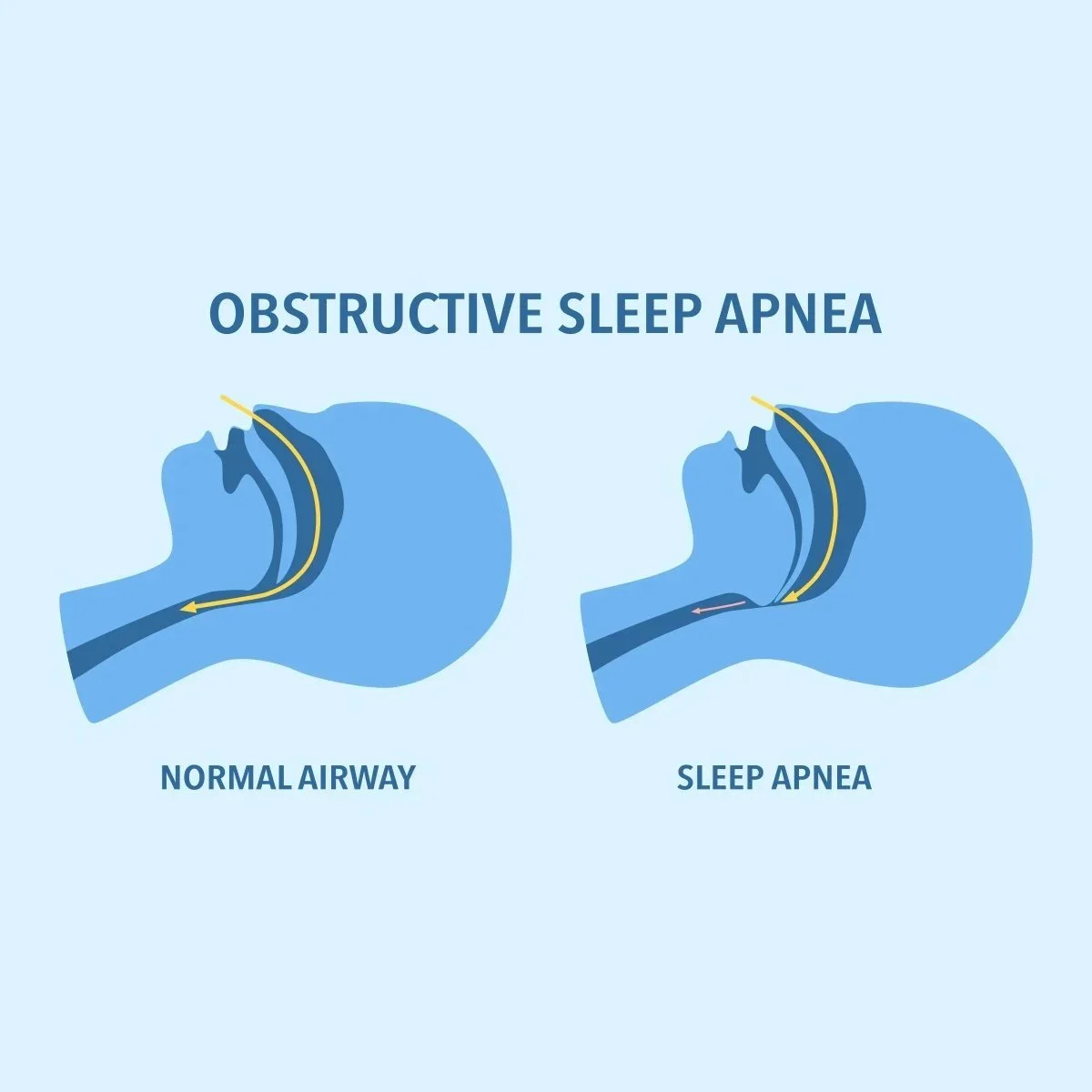
For the estimated 54 million Americans with obstructive sleep apnea, bedtime isn't refreshing. Their airways are partially blocked during sleep, leading to daytime grogginess and lasting health problems. Continuous positive airway pressure, or CPAP, treatment can be effective, but about half of users quit, citing factors like discomfort, stress, and cost. To help more people sleep safely, a team of Johns Hopkins alumni is developing a lightweight sleep apnea treatment device that is as easy to wear as a retainer.

March 3, 2026
The Sleep by Cleveland Clinic mobile app helps patients answer ‘how are you sleeping?
HealthDay
Launched in 2021, the Sleep by Cleveland Clinic mobile app aims not just to educate patients but to expand awareness among providers so that they may recognize risks and refer patients, when appropriate, for testing. The app uses multiple metrics to determine how much a person is sleeping. Questions include what hours the user sleeps on weekdays, on weekends or days off, and whether they nap. “We calculated total sleep based on work and non-work days and naps and provide an estimate of average sleep duration for the person's age,” said Nancy Foldvary-Schaefer, DO, a specialist in Cleveland Clinic’s Sleep Disorders Center. “So their risk assessment is based on more than a single number of hours of estimated sleep.”