JUNE News 2026
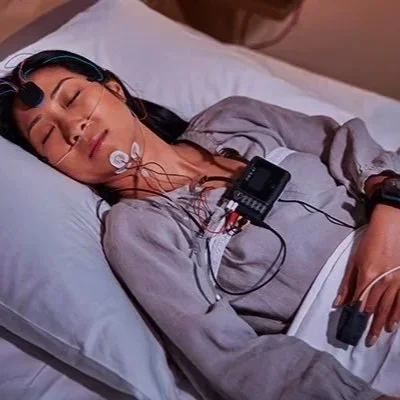
Surprising reasons some sleep physicians insist on home sleep tests for monitoring sleep apnea therapy efficacy
Sleep Review
Home sleep tests (HST) are designed for multi-night diagnostic testing and long-term therapy monitoring and titration, and often identify many residual sleep-breathing events that CPAP devices do not report. Recent studies show clinicians are finding discrepancies between CPAP and HST data, and addressing physiological concerns (such as unusual heart rate patterns) that would otherwise have stayed hidden. These studies reveal that some therapeutic devices may not be controlling sleep apnea as well as initially believed.
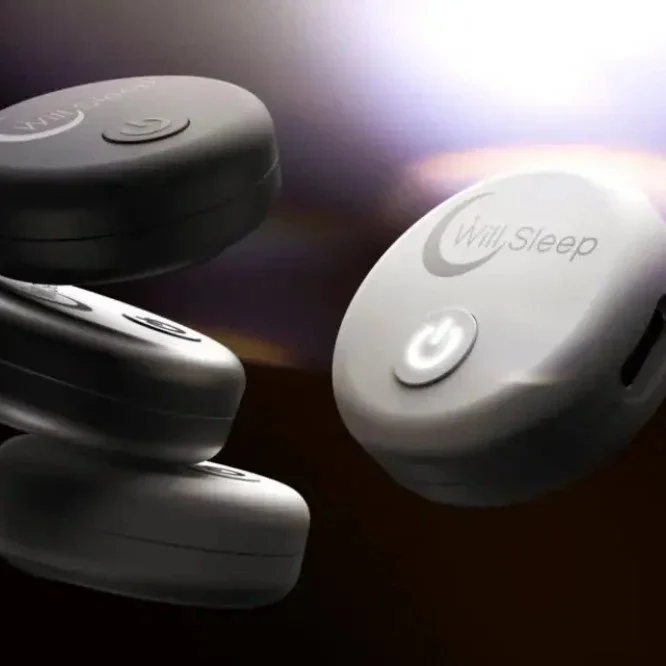
Business of sleep goes deep into tech
Gadget
Sleep technology is moving beyond tracking, as device makers and health groups focus on shaping sleep. Once treated as a personal habit, sleep now features in boardroom discussions about healthcare costs and long-term risk. Sleep has become a battleground for technology firms, insurers and health providers, with significant money riding on what happens overnight. During CES 2026, the world’s largest consumer technology show, sleep-related products and systems focused on influencing sleep while people are asleep, with technology adjusting physical support and physiological responses during the night. There is now a sharp distinction between consumer sleep technology and clinical sleep medicine.
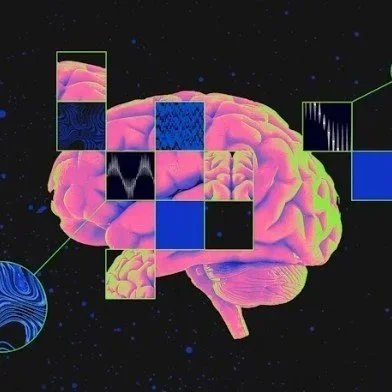
What happens to your brain when you have undiagnosed sleep apnea
Inverse
Sleep isn’t passive downtime for the brain. It’s an active period of repair, when memories are consolidated, neural connections are strengthened, and metabolic waste is cleared away. With sleep apnea, that recovery process is repeatedly disrupted. The brain spends the night in a low-grade fight-or-flight state. At the same time, repeated breathing interruptions reduce the amount of oxygen reaching the brain. Over months and years, this combination of fragmented sleep and intermittent oxygen deprivation takes a measurable toll on both brain structure and function. In a four-year study, neurobiologists at the University of California, Irvine found that people with OSA exhibited measurable white matter damage alongside declines in attention, visual memory and visual processing.