january News 2026
january 29, 2026
CPAP might increase heart risk for some sleep apnea sufferers
HealthDay
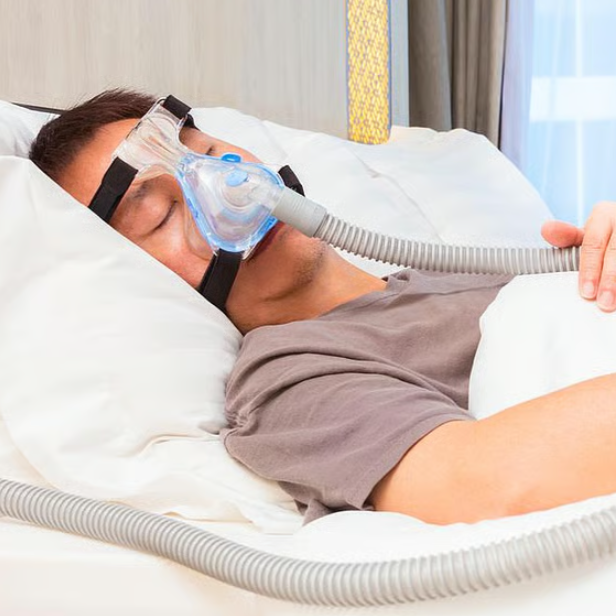
CPAP machines can dramatically lower a person’s heart risk if severe sleep apnea causes dramatic drops in blood oxygen levels or large surges in heart rate, according to results published today in the European Heart Journal. But CPAPs might escalate heart health risk among people with milder sleep apnea, particularly if the condition doesn’t cause them to feel sleepy during the daytime.
january 27, 2026
The science of sleep health: New studies find connections between OSA, CPAP usage and overall well-being
HomeCare
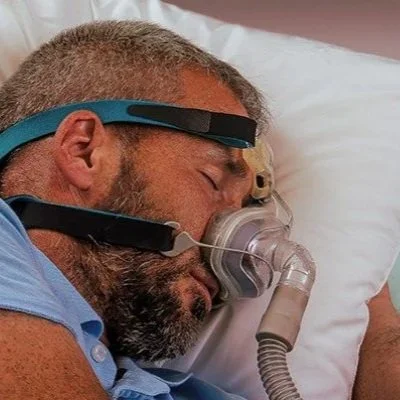
At the annual meeting of the Associated Professional Sleep Societies, respiratory company Resmed presented a number of research studies exploring the life-saving cardiovascular benefits of CPAP therapy, the impact of CPAP on obstructive sleep apnea symptoms and quality of life, the essential role of health care providers in supporting patients with OSA and the increasing and disproportionate burden of OSA among women projected through 2050. Learn more about their findings.
january 22, 2026
FDA approves the Genio system, a new device to treat obstructive sleep apnea
Pratical Neurology
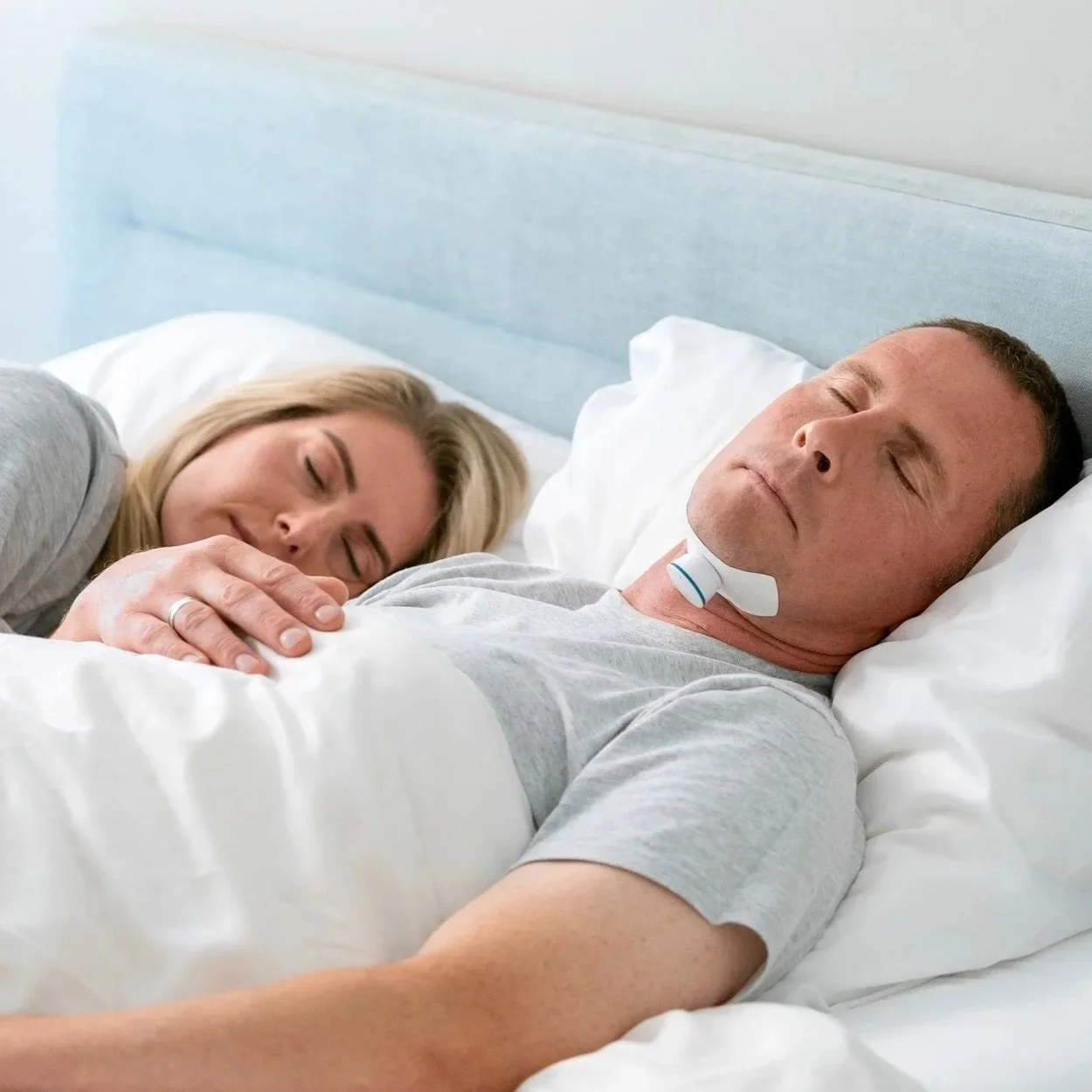
The Food and Drug Administration has approved the use of the Genio system by Nyxoah for the treatment of adults with moderate to severe obstructive sleep apnea. The approval provides a new treatment option for people with an apnea-hypopnea index (AHI) between 15 and 65. The Genio system consists of a small implant placed in the chin region and an external wearable device that powers and controls the implant. This device delivers bilateral stimulation to both branches of the hypoglossal nerve to contract the tongue muscles without the need for an implanted battery.
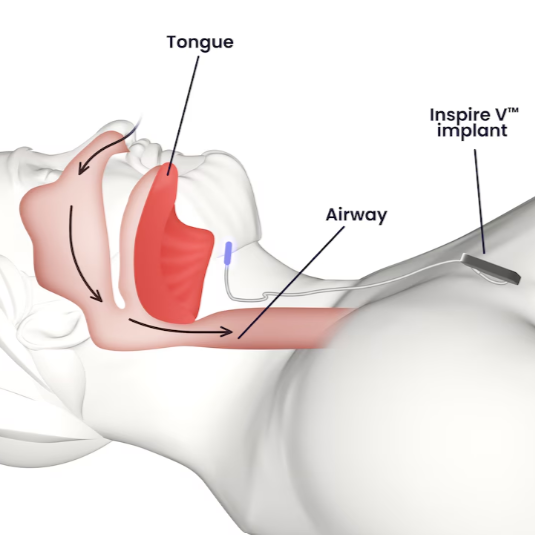
Image courtesy of Trinity Health
january 20, 2026
West Michigan hospitals first to offer new sleep apnea treatment
MLive
Trinity Health’s hospitals in Muskegon and Grand Rapids are the first in West Michigan to offer the Inspire implant to patients with moderate to severe obstructive sleep apnea. The newest version of the implant, Inspire V, is approved by the U.S. Food and Drug Administration and improves upon previous versions of Inspire with a more simplified procedure, enhanced patient comfort settings and more efficient patient management.
january 14, 2026
FDA clears Hushd Pro Z-Link oral appliance for sleep apnea and snoring
American Academy of Sleep Medicine
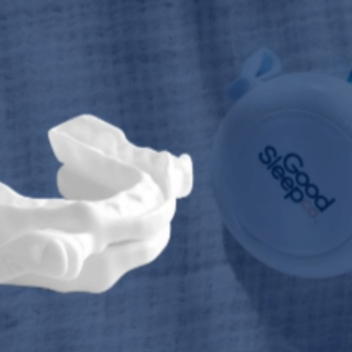
Good Sleep Co. has received FDA 510(k) clearance for its Hushd Pro Z-Link, a precision-engineered mandibular advancement device intended to reduce or alleviate snoring and mild-to-moderate obstructive sleep apnea in adults. The Hushd Pro Z-Link is a prescription oral appliance for sleep apnea that combines advanced materials and digital manufacturing. Each device is custom-manufactured using medical-grade polyamide type 12 nylon and state-of-the-art CAD/CAM and SLS 3D-printing technology. A vapor-smoothed finish gives the appliance a low-profile, comfortable fit designed to promote long-term compliance.
january 12, 2026
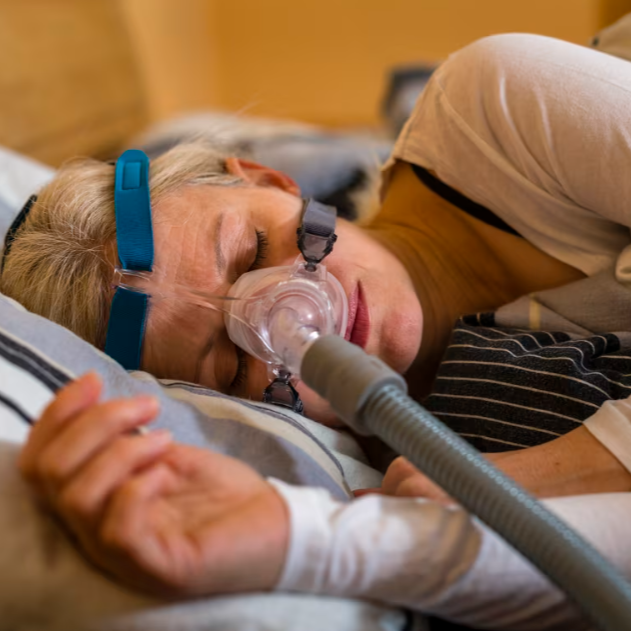
Obstructive sleep apnea may be linked to microbleeds in the brain
CNN Health
Moderate to severe obstructive sleep apnea is associated with a greater risk for new microbleeds in the brain, according to a recent study. The study, which was published in the journal JAMA Network Open, is observational, which means that it can only establish that obstructive sleep apnea and microbleeds are associated, not that one definitively causes the other. Further studies will need to examine if treating sleep apnea can prevent microbleeds. The study has a strong methodology and should stress the importance of screening for sleep apnea to clinicians and treatment to patients, according to health researchers.

january 8, 2026
How Mayo Clinic experts are using AI to better detect sleep apnea, especially in women
Mayo Clinic
Mayo Clinic researchers have developed an AI algorithm that can identify obstructive sleep apnea using the results from an ECG – a common heart test. The innovation could make it faster, cheaper, and easier to spot sleep apnea, particularly in women, who are often underdiagnosed.
january 6, 2026
Cleveland Clinic Featured Podcast: Sleep self-screening is just an app away
Cleveland Clinic
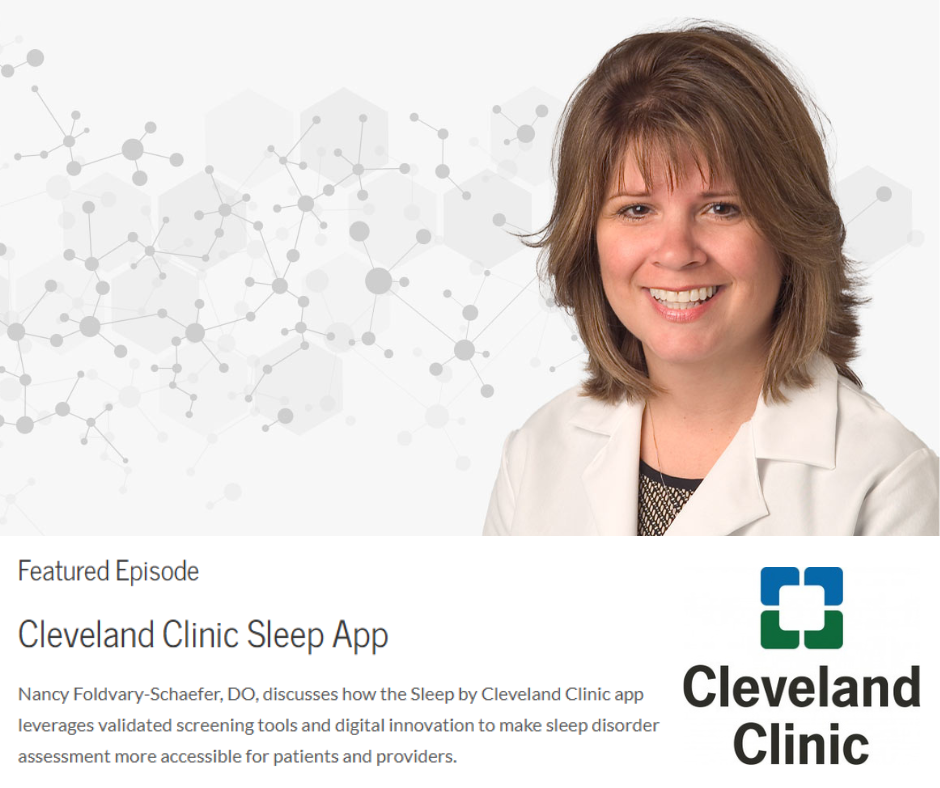
On the latest episode of the Neuro Pathways Podcast, Dr. Foldvary-Schaefer, DO, MS, a specialist in Cleveland Clinic’s Sleep Disorders and Epilepsy centers, discusses how Sleep by Cleveland Clinic, a mobile app, leverages validated screening tools and digital innovation to make sleep disorder assessment more accessible for patients and providers. Dr. Foldvary-Schaefer also provides insight about how the app lets users screen themselves for common sleep disorders and alerts them to factors that might warrant follow-up with their doctors, and explains the purpose of the app, which is not a diagnostic tool but can facilitate conversations between clinicians and patients.
Dr. Fodvary-Schaefer also details the verified screening instruments embedded in the app:
The Cleveland Clinic Sleep Apnea Probability Score
The Insomnia Severity Index
The Shift Work Disorder Screening questionnaire
A variety of questions to estimate total sleep time
Listen to the Neuro Pathways Podcast featuring Dr. Foldvary-Schaefer and the Sleep by Cleveland Clinic app here