February News 2026
February 26, 2026
Sleep apnea puts soldiers in harm's way
HealthDay
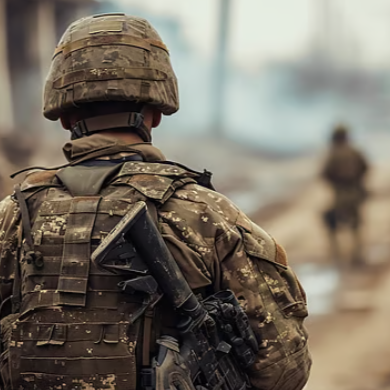
Sleep apnea could be increasing the risks borne by U.S. soldiers serving on the front lines of combat, according to a new study. Front-line soldiers are far more likely to suffer PTSD, anxiety, depression and injuries if they have sleep apnea, researchers reported recently in the journal Chest. There’s also a growing awareness of sleep apnea among troops, with diagnoses increasing more than tenfold between 2005 and 2019, researchers added.
February 19, 2026
University of Maryland School of Medicine research reveals alarming health and resource burden of sleep apnea among U.S. active-duty military
University of Maryland School of Medicine
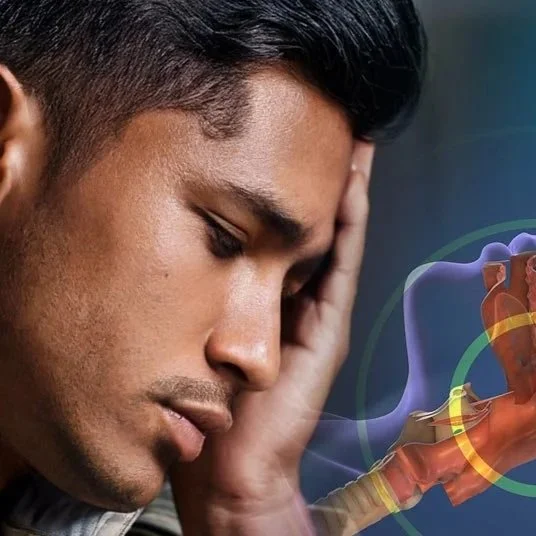
With more than 1 in 10 Americans suffering from obstructive sleep apnea putting them at increased risk of heart problems and other health ills, a new study conducted by the University of Maryland School of Medicine (UMSOM) carefully analyzed the toll that this sleep disorder takes on U.S. active-duty military members, and their analysis was alarming: They found that soldiers with sleep apnea who are serving on the front lines are more than four times more likely to experience post traumatic stress disorder and three times more likely to suffer a traumatic brain injury compared to those who don’t have the condition.
February 18, 2026
Memory loss isn't always worrisome. But here's when it is, what to do and how sleep apnea plays a role
USA Today
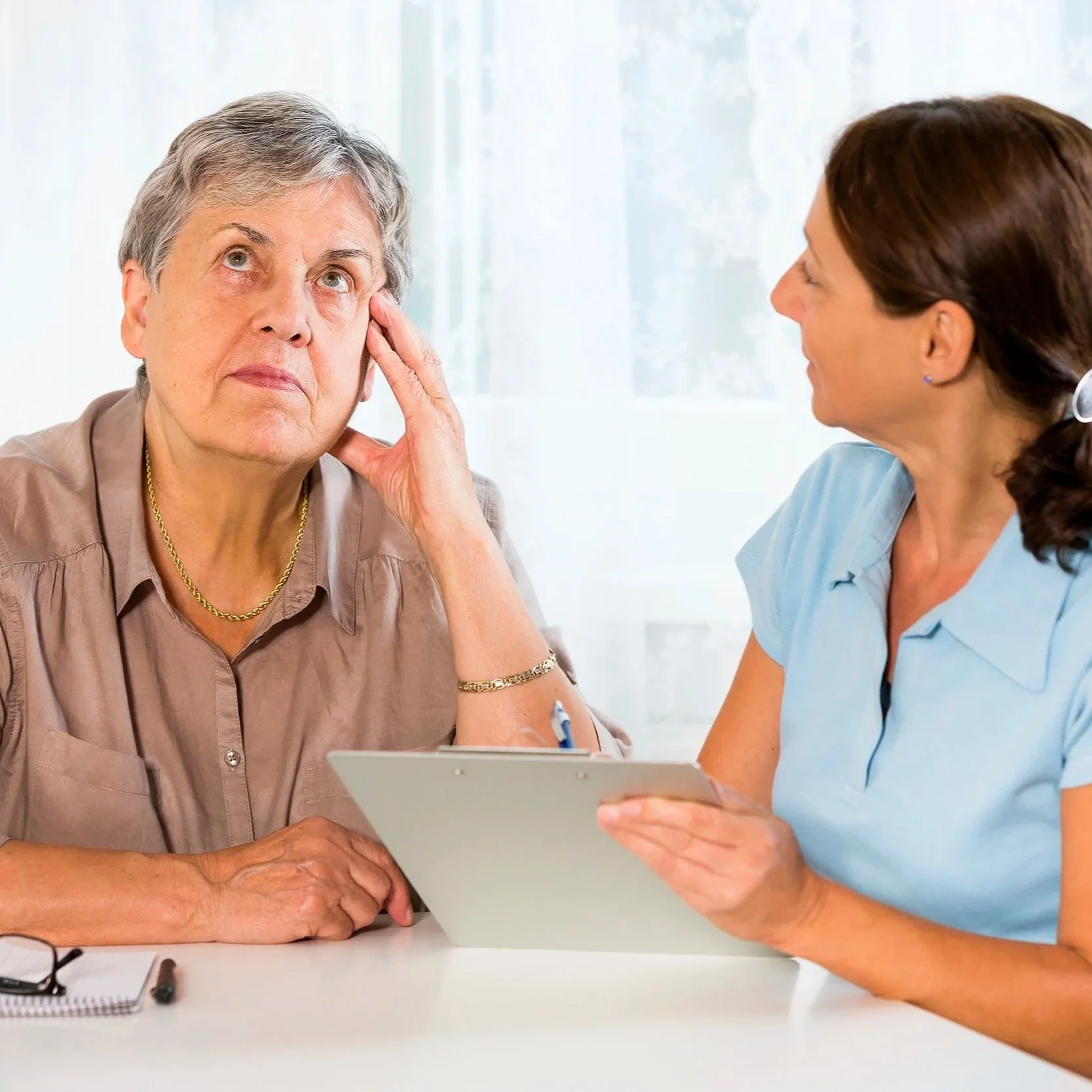
Not all memory problems point to dementia, and many issues are preventable, treatable and even reversible. Poor sleep or conditions, like sleep apnea, may interfere with memory storage because the brain needs quality sleep to consolidate memories. Here’s how to recognize memory loss, what causes it and how to manage the problems it creates for yourself or someone you love.
February 10, 2026
Potential avenues for combination therapy in obstructive sleep apnea
NeurologyLive
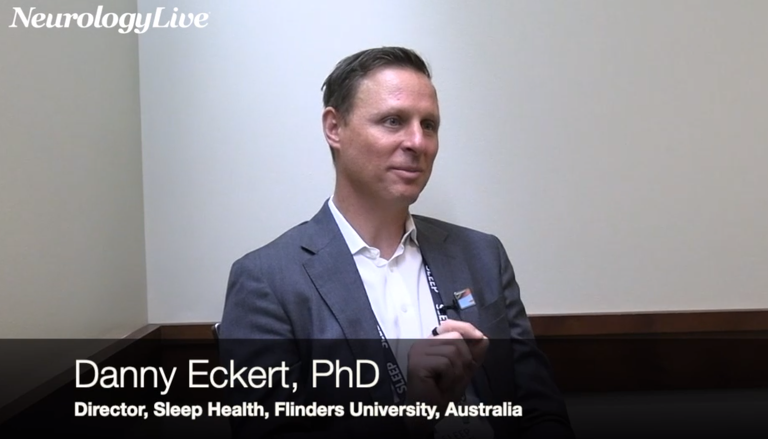
Danny Eckert, PhD, director of sleep health at Flinders University in Australia, sat down with NeurologyLive to discuss the potential of precision and combination pharmacotherapy for obstructive sleep apnea. In the discussion, Eckert spoke on how identifying and targeting distinct non-anatomical traits, such as poor muscle responsiveness, high loop gain, low arousal threshold, and airway collapsibility, can guide more personalized and effective treatment. He also talked about the potential of noradrenergic/antimuscarinic drug combinations, nasal reflex modulators, and oral appliances paired with positional therapy. Listen to his interview with NeurologyLive.
February 5, 2026
Ninety percent of women who have sleep apnea don't know it — here’s what to look out for
Tom’s Guide
In women, snoring can be much less pronounced so it’s not as easy to tell from this symptom alone. Women are more likely to experience daytime sleepiness, impaired focus and mood changes. This can lead to delays in diagnosis as sleep apnea in women can be mistaken for anxiety, depression and menopause. As the signs are more subtle, research suggests as many as 90% of women who have sleep apnea may be unaware they have it. Experts share most common symptoms of sleep apnea in women and why it goes unnoticed.
February 3, 2026
Re-Branding Sleep Apnea: Supporting pathways to improve access for undiagnosed sleep apnea
Psychology Today
The challenge related is that the diagnosis and treatments for sleep apnea somehow have a “negative brand.” But once a patient gets a proper diagnosis, and engages in treatment, many times it is life-changing – they feel more alert, have more energy, improved control of mood, better quality relationships as a result, more work productivity, and improved health overall, according to an article in Psychology Today. Let’s get past the stigma, and desire for a quick fix, and remember that sleep doctors and sleep medicine have decades of research backing the approaches currently utilized.